



Sustainable Kernel Utilization: Chemistry, Processing, Health Functionality, and Bio-Economy
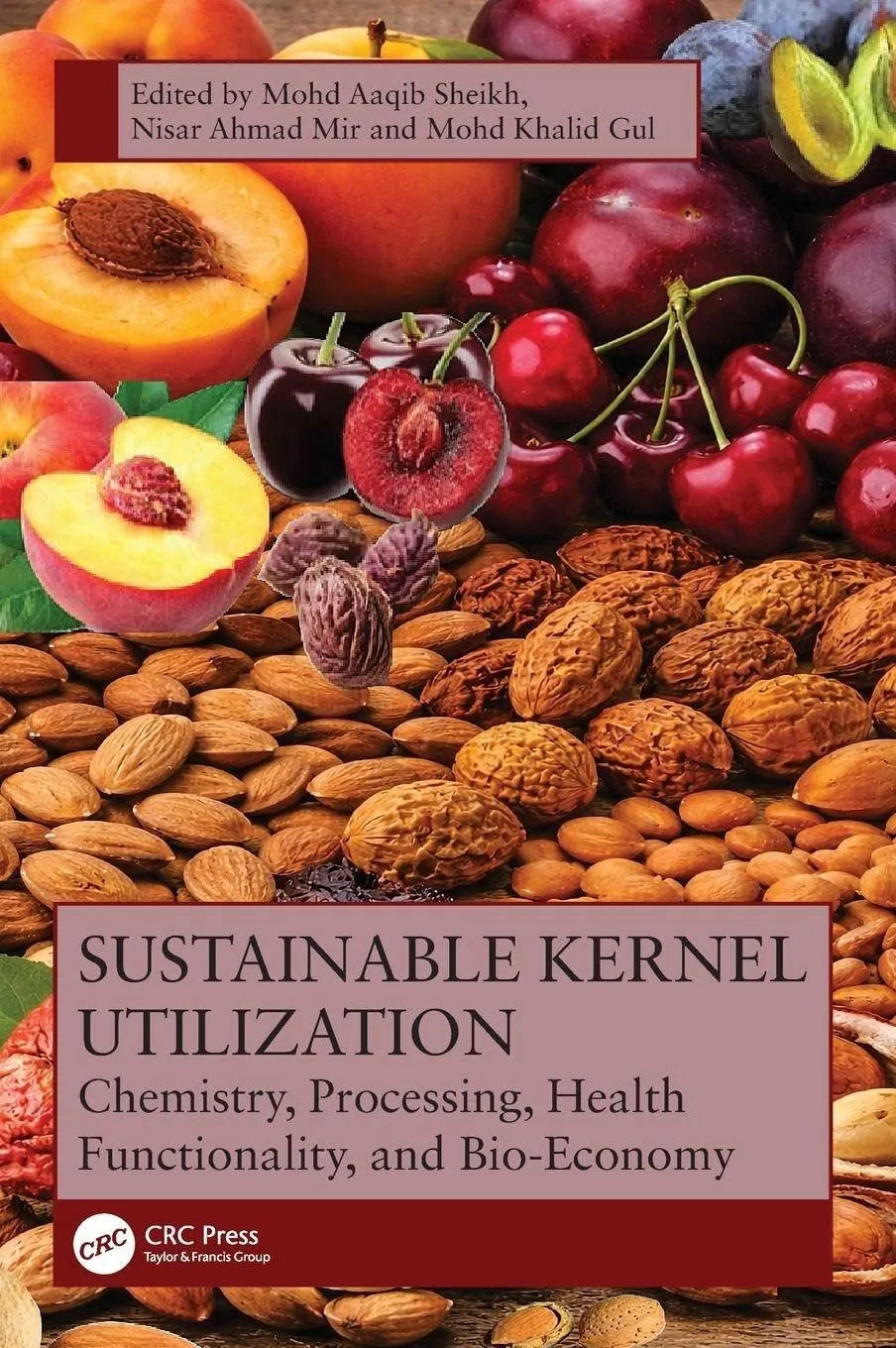
Sustainable Kernel Utilization: Chemistry, Processing, Health Functionality, and Bio-Economy
English | 2026 | ISBN: 1032951168 | 365 pages | True PDF,EPUB | 22.68 MB
English | 2026 | ISBN: 1032951168 | 365 pages | True PDF,EPUB | 22.68 MB
Prunusfruits are categorized as drupes or stone fruits. The fleshy mesocarp surrounding the pit is edible, and within this pit lies the kernel, which is a rich source of nutrients and phytochemicals. DuringPrunusfruit processing, a significant quantity of pits is produced, but typically thrown away, charred, or disposed of in landfills, leading to various environmental issues. This book explores the sustainability of nutrient-densePrunuskernels and offers practical insights, case studies, and expert perspectives.Sustainable Kernel Utilization: Chemistry, Processing, Health Functionality, and Bio-Economyprovides a comprehensive understanding of the compositional characteristics ofPrunuskernels. It offers a road map for sustainable and innovative approaches utilized inPrunuskernels stewardship into valuable products. Readers will discover strategies to enhance the economic potential ofPrunuskernels, while minimizing their environmental impact.Key Features:Provides a comprehensive understanding ofPrunuskernels, including their nutritional composition, toxic compounds, bioactive compounds, nutraceutical potential, and diverse applicationsDiscusses conventional and novel techniques and innovations employed during post-harvest handling and storage ofPrunuskernelsAddresses the current processing challenges, opportunities, and sustainable strategic approaches to utilizingPrunuskernels as an alternative nutrient-dense resourceCovers waste reduction strategies, food security, sustainability, cost-effectiveness, and diverse applications ofPrunuskernels
Prunusfruits are categorized as drupes or stone fruits. The fleshy mesocarp surrounding the pit is edible, and within this pit lies the kernel, which is a rich source of nutrients and phytochemicals. DuringPrunusfruit processing, a significant quantity of pits is produced, but typically thrown away, charred, or disposed of in landfills, leading to various environmental issues. This book explores the sustainability of nutrient-densePrunuskernels and offers practical insights, case studies, and expert perspectives.Sustainable Kernel Utilization: Chemistry, Processing, Health Functionality, and Bio-Economyprovides a comprehensive understanding of the compositional characteristics ofPrunuskernels. It offers a road map for sustainable and innovative approaches utilized inPrunuskernels stewardship into valuable products. Readers will discover strategies to enhance the economic potential ofPrunuskernels, while minimizing their environmental impact.
fruits are categorized as drupes or stone fruits. The fleshy mesocarp surrounding the pit is edible, and within this pit lies the kernel, which is a rich source of nutrients and phytochemicals. During
fruit processing, a significant quantity of pits is produced, but typically thrown away, charred, or disposed of in landfills, leading to various environmental issues. This book explores the sustainability of nutrient-dense
kernels and offers practical insights, case studies, and expert perspectives.
Sustainable Kernel Utilization: Chemistry, Processing, Health Functionality, and Bio-Economy
provides a comprehensive understanding of the compositional characteristics of
kernels. It offers a road map for sustainable and innovative approaches utilized in
kernels stewardship into valuable products. Readers will discover strategies to enhance the economic potential of
kernels, while minimizing their environmental impact.